HISTORY OF GOLD
The Golden Route
Gold has played a defining role in human civilization for over 5000 years. From ancient Egypt and Mesopotamia to the empires of Rome, China, and Persia, gold was revered as a universal symbol of wealth, power, and permanence. In 6th century BC, the Lydians introduced the first gold coins, establishing it as a medium of exchange, which is a role that continued across borders and eras, through global trade, royal treasuries, and the foundation of monetary systems like the gold standard.
5000 BC
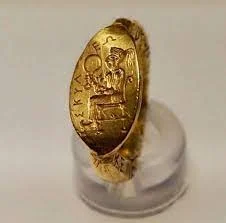
Eastern Europe
Gold was first discovered and soon after shaped into ornaments, used for decoration and a variety of ceremonial purposes, marking the beginning of gold’s cultural significance.
3000 BC

Ancient Egypt
Gold is used in jewellery, temples, and tombs was seen as the “flesh of the gods”, becoming a symbol of eternal power.
600 BC
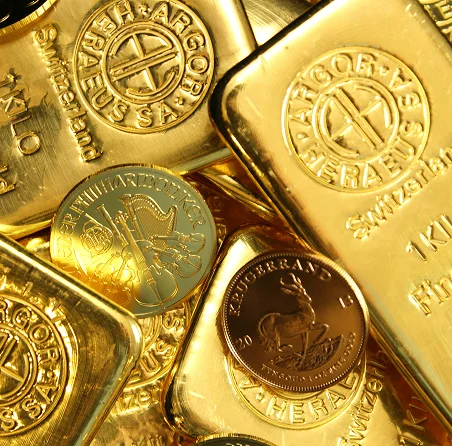
First Gold Coins
The Lydians minted the first known gold coins, introducing gold as its official currency.
1st Century CE

Roman Empire
Gold became central to Roman commerce, coinage, and expansion, establishing its role in global trade.
Middle Ages

Global Trade
Gold was circulated across Europe, the Middle East, and Adia through silk routes, empires, and the reknown Islamic financial systems.
1717
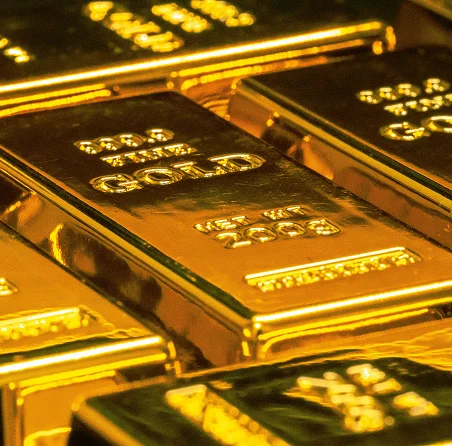
The Gold Standard Begins
Britain linked its currency to gold under Sir Isaac Newton, thereby establishing its foundation in modern monetary systems.
1944
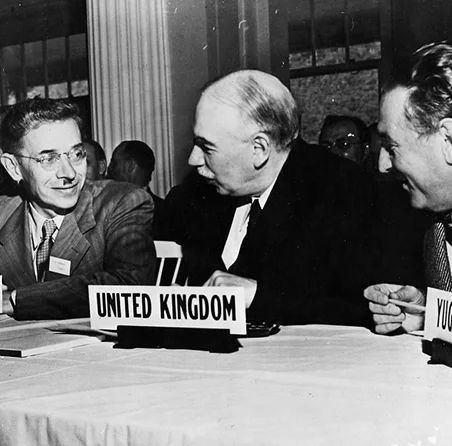
Bretton Woods Agreement
Post-WWII, global currencies were then pegged to the US Dollar, which was backed by gold. Gold remained the centre of financial stability.
1971
End of the Gold Standard
The US formally ended the gold-backed currency, transitioning gold from a monetary base to a free-market commodity.
THE STORY
Gold — Past, Present, and the Provident
Gold has shaped the world's economy for centuries—from ancient currency to the gold standard and today's $3,300/oz value—discover its rich history and continued importance in modern finance.
The First Use of Gold as Money
Gold’s journey began as money around sixth century BC when the Lydians minted the world’s first standardized gold coins. These coins were used in trade and taxation, marking gold’s official entry into the global economic system.
Gold and the Birth of the Modern Monetary System
Gold quickly gained universal recognition, prized for its purity, rarity, and resistance to corrosion. Over time, its limited supply and lasting value made it better suited as an asset of wealth and trust, rather than everyday currency. Centuries later, gold became the foundation of the modern monetary system. In 1944, the Bretton Woods Agreement established a monetary system where global currencies were pegged to the US dollar, which was directly convertible into gold at a fixed rate of $35 per ounce.
The Collapse of Bretton Woods and Rise of Fiat
Under this system, gold served as the underlying reserve asset, helping maintain international monetary stability. However, the Bretton Woods system came under increasing strain. As global trade and capital flows expanded, the issuance of US dollar began to outpace the supply of physical gold reserves intended to support them.
Gold: The Timeless Benchmark of Wealth
Overtime, the disconnect between paper-based instruments and tangible assets contributed to mounting inflationary pressures. In 1971, amid rising doubts about the dollar’s gold convertibility, the US formally suspended the gold standard, bringing the Bretton Woods era to an end and ushering in the modern fiat currency system that remains in place today.
Gold's Role Today
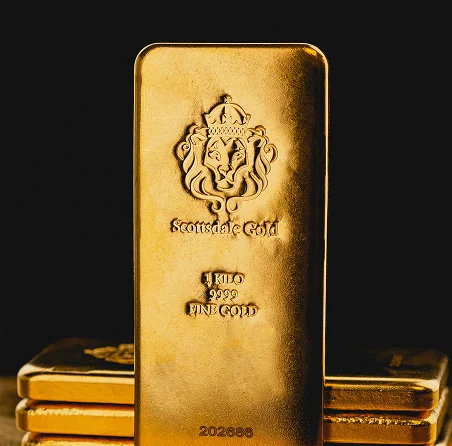
Despite no longer backing currencies, gold remains a vital part of the global financial system. As of May 2025, the price of gold stands at around $3,300 per troy ounce. A standard of 400-troy ounce gold bar, widely used by central banks and institutional investors, is now valued at more than $1.3 million, reflecting decades of currency devaluation and sustained demand.
FAQ
What is Provident Gold?
We are gold trading platform that allows users to buy and sell gold digitally. The users hold the ownership of the gold once the purchase process has been completed. We provide storage service with MetroSafe Box to store the purchased gold physical. We offer real-time pricing, secured vaults, and regulatory-compliant services tailored for our users.
Is Provident Gold regulated?
We legally operate as a bullion dealer in Malaysia, specifically for retail trading of gold, and ensure our operation in compliance with the laws of Malaysia. We adhere to the Anti-Money Laundering, Countering Financing of Terrorism (AML/CFT) guidelines under Bank Negara Malaysia (BNM).
What can I buy and/or sell on the platform?
We offer a diverse range of weight of 99.9% pure gold of 10gram, 100gram and 1,000gram respectively, where you can purchase on our Platform and the respective purchased gold is fully backed by physical gold stored securely.
We also provide Buy-back Program where you can sell your physical gold back to us through our online platform at transparent and fair market rates.
Can I sell the gold to you once the redemption has been completed?
Yes, you can still sell the gold back to us physically after you have redeemed the gold, provided that the seal of the gold has not been tampered with.
Is gold purchased digitally really backed by physical gold?
Every gold bar purchased can be tracked by its tracking number while it is held in secured insured vaults.
What purity of gold do you offer?
We only offer 99.9% pure gold (24-karat), sourced from LBMA-accredited refiners.
Do bullion bars/coins come with a certificate of authenticity?
Yes. Each coin or bar carries a statement certificate of weight, purity and serial numbers.
Who can open an account?
- Any individual that is validly residing in Malaysia with a valid
passport that is recognized by Malaysian government.
- Businesses may open corporate accounts with proper documentation.
Is verification required?
Yes. To comply with BNM’s AML/CFT regulations, we require Know-Your-Customer (KYC) verification, which includes uploading your IC/passport, proof of address and/or any other relevant documents that are deemed necessary for verification purpose.
How long does it take to verify my account?
Generally, it is within 2 working days. Delays may occur if documents are unclear or incomplete.
What is the process of purchasing gold on your Platform?
You have to choose the type and/or quantity of gold that you would like to purchase and confirm your order, thereafter make payment via Bank Transfer to our designated bank account, which will be reflected in your Account on our platform.
How is the gold price determined on your Platform?
Prices are based on international gold spot rates, with a platform-defined spread for buy and sell prices.
Is there a minimum amount to buy gold?
Yes. The minimum amount of gold available to purchase on our Platform is 10gram.
Can I sell my gold anytime?
Yes. You can sell your gold digitally 24/7, and the selling price shall be based on prevailing market price, with a platform-defined spread for buy and sell prices (Please refer to our price indicator).
Where is my gold stored?
Physical gold backing digital holdings is stored with our storage provider in a high-security, insured vault managed by the appointed vault providers MetroSafe Box Malaysia and Le Freeport Singapore stated on our website.
Do you impose storage fee for the gold stored?
Should you not make an immediate redemption upon purchasing the gold, a storage fee, of which rate is determined by our appointed storage provider, will be imposed based on the size of box and period of storage, with the minimum period of one (1) year.
Is my gold insured?
Upon purchasing the gold, the ownership and risk therein is transferred to you. Hence, you may opt to purchase insurance policy (available as option before payment is made for the purchase of gold) to ensure your gold is fully insured against theft, fire, and natural disasters in the storage.
Can I redeem the gold I purchased?
Yes, you may redeem the gold your purchased by self-collection at the designated location of our vault providers in accordance with our redemption procedures.
What are the fees for using the platform?
Applicable fees are only for add-on service(s).